Here we go again. Just when President Trump is pounding Iran into the Stone Age and forcing the mullahs to pay for every missile they fire, the usual suspects in the fake news racket roll out their favorite script: “Trump was caught flat-footed.” This time it’s about the Strait of Hormuz, where those Iranian fanatics started lobbing missiles and laying mines at tankers right after we and our allies took out their top leadership. The stories claimed the administration never saw it coming, underestimated the threat, and left America scrambling while oil prices spiked. Pure nonsense. This wasn’t journalism. It was a coordinated hit job timed to weaken the president at the exact moment he was winning.
The Lies Hit Just When Iran Started Sinking
The smear wave crashed hard in the second week of March 2026. Right after Iran’s new supreme leader vowed on state television to keep the strait locked down as a pressure tool—following strikes that began late February and escalated into early March—the outlets started running wild with anonymous whispers. They claimed top officials admitted in closed briefings they never planned for a full closure because they figured it would hurt Iran more than us. They painted the whole response as a rude shock, with energy markets gyrating and the White House blindsided.
But that’s the opposite of reality. The administration had been watching Iran’s mine-laying ships for weeks, publicly warning about the choke point that carries one-fifth of the world’s oil and gas. When Tehran made its move, we didn’t blink. Our forces sank those mine-layers in the most intense day of strikes yet, cleared the skies, and started prepping escorts. The president was already calling on affected nations to step up and help police the waterway. No scrambling. No surprise. Just decisive action while the media manufactured panic.
Beijing’s Fingerprints All Over the Narrative
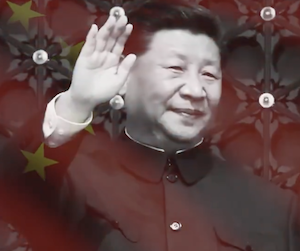
This garbage didn’t bubble up in a vacuum. It aligned perfectly with the line coming out of China, where state mouthpieces and social media platforms were flooding the zone with mockery and weakness stories. Chinese outlets blasted the idea of America “begging” for help—including from Beijing itself—to keep oil flowing. They pushed de-escalation talk while running cartoons of Uncle Sam pouring fuel on the Hormuz fire. AI-generated videos ridiculing the president spread like wildfire on their platforms, some even boosted by Iranian embassy accounts in China.
The timing was no coincidence. China benefits every time global energy chaos spikes prices and divides America from its partners. They know a distracted, divided United States can’t focus on the real long-term threat in the Pacific. So they seed the narrative that leadership here is unprepared, and the American media—always eager to damage Trump—dutifully parrots it. The “flat-footed” claims echoed Beijing’s script beat for beat: America weak, Trump shocked, everyone should blame the guy actually hitting back hardest. It was influence operation 101, and the usual outlets ate it up without a single tough question.
The Real Record Proves the Smear Was Dead Wrong
Trump didn’t get surprised—he got results. By March 2, Iranian leadership was decapitated. Days later, their mine-laying fleet was on the bottom. Tanker attacks slowed, and the Navy stood ready to escort shipping as risks dropped. Oil prices jumped, sure—pushing toward triple digits—but that’s on Iran’s desperation, not any failure here. The president called it exactly what it was: a test of alliances, and the Europeans and others who refused to send ships exposed themselves as freeloaders once again.
The administration never assumed Iran would sit idle. They planned for escalation because that’s what these regimes do. The media’s anonymous “sources” were either leakers trying to stir trouble or outright fabrications to fit the anti-Trump template. White House pushback was swift and accurate: This was fake news designed to scare families at the pump and erode confidence in a leader who’s finally putting America first.
The Fallout That’s Exposing Everyone
The damage is real but backfiring fast. Gas prices climbed for everyday Americans, giving the media fresh ammo to whine about economic pain. Allies who got the call for naval help—nations that import heavily through that strait—mostly said no thanks, proving once more why we can’t count on them. China sat back smirking, watching the chaos while their own media amplified the hit job.
But here’s the upside: The American people see through it. The strikes continue, Iranian capabilities are crumbling, and the strait is opening back up under U.S. pressure. The hoax highlighted exactly who the real enemies are—the regime in Tehran, its backers in Beijing, and the domestic media machine that treats foreign smears like gospel if it hurts the president.
From an America First perspective, this episode is a reminder to ignore the noise and double down. Keep hammering the threats. Demand real reciprocity from so-called partners. And treat the lamestream outlets as the propaganda arm they are. Trump wasn’t flat-footed—he was forward-leaning while the critics clutched pearls. Iran is paying the price. China is watching nervously. And the fake news crowd just got another black eye. That’s how you win: action over narrative, strength over spin. The hoax failed, and America is stronger for it.